Mise à jour : Download the Garden Betty Chicken Feed Calculator to manage costs, calculate protein content, and formulate feed on the fly!
I receive frequent inquiries about my most popular post, Garden Betty’s Homemade Whole‑Grain Chicken Feed. Since I first introduced a whole‑grain diet to my flock in December 2011—while our first hens were still pullets—they have remained healthy and productive, with the most prolific layers laying 6 to 7 eggs per week without any shell‑less eggs.
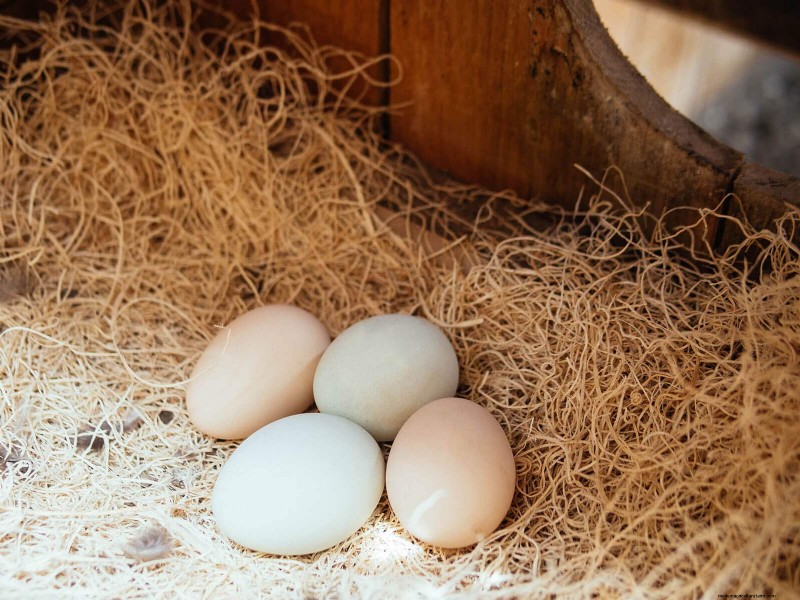
My homemade feed has now nourished three generations of hens, all exhibiting remarkable results. Their feathers shine, wings stay strong, and combs and wattles remain well‑formed. They are also the most active, affectionate, and sociable chickens, bounding through the yard as soon as they spot us with their food—especially after a ferment.
I adjust the recipe occasionally based on local ingredient availability, but I continue to champion a whole‑grain approach because it’s accessible, inexpensive, and highly nutritious. Many of you are considering this route, so I’ve updated the recipe to reflect my latest successes over the past several years.
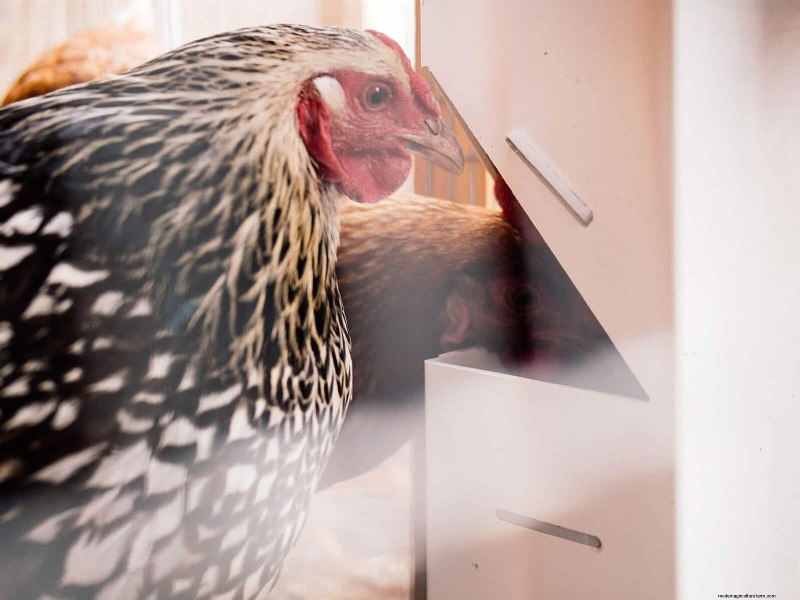
Why a Corn‑Free Chicken Feed Can Benefit Your Flock
One common question I receive is, How do you make a corn‑free feed? Chicken keepers often seek corn‑free diets because corn offers limited nutrition compared to other grains and seeds. Field corn—the variety grown for livestock feed and processed into high‑fructose corn syrup—is also among the most genetically modified crops worldwide. Although I initially used organic, human‑grade corn, I discontinued it when my flock stopped eating it and also declined lentils and kamut—our hens simply became picky.
L’élimination du maïs était simple; the real challenge was replacing the protein supplied by lentils and kamut. Voici la solution que j'ai adoptée :
Divulgation : If you purchase items through my links, I may receive a commission at no extra cost to you.
High‑Protein Ingredients for a Corn‑Free Recipe
Triticale —a wheat‑rye hybrid—delivers 17 % protein and excellent energy. Though my local co‑op, Azure Standard, no longer carries it, I now source organic triticale from an Oregon supplier, and conventionally grown options are available from a Florida pasture‑seed farm. Rolled triticale (or triticale berries) can also be found on Amazon occasionally.
Mon deuxième ingrédient clé, le seigle , supplies 13 % protein and is irresistibly palatable to hens; ils le mangent souvent comme des bonbons. Rye is affordable and readily available, though the University of Kentucky College of Agriculture recommends feeding it only to laying hens at peak production. Vous pouvez remplacer d'autres céréales si vous le souhaitez.
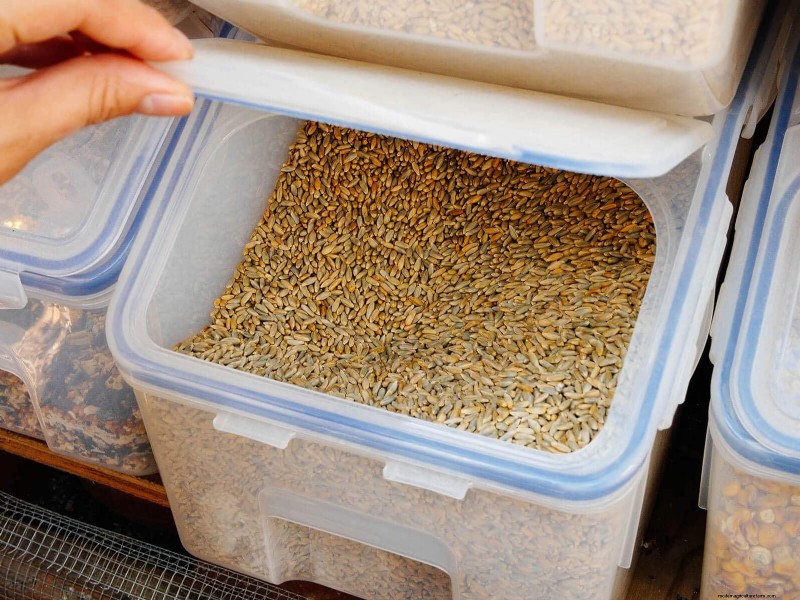
I also increased sesame seed inclusion to 2 cups while keeping the rest of the recipe unchanged. For many keepers, split peas and field peas provide a cheap, non‑soy protein source—though our hens are only 50/50 with legumes, so I vary the feed every few months to keep them interested.
If soft white wheat berries are unavailable, replace them with 6 cups of hard red wheat berries.
The updated corn‑free formula remains at 17 % protein for layers and costs no more than the original mix. If any ingredient is hard to find, many grains, seeds, and legumes can substitute; cette recette est flexible, pas rigide.
Provide treats such as fresh greens, dried mealworms, or dried black‑soldier‑fly larvae, and let hens forage in the garden in spring to enrich soil and mulch.
Suppléments nutritionnels pour aliments DIY
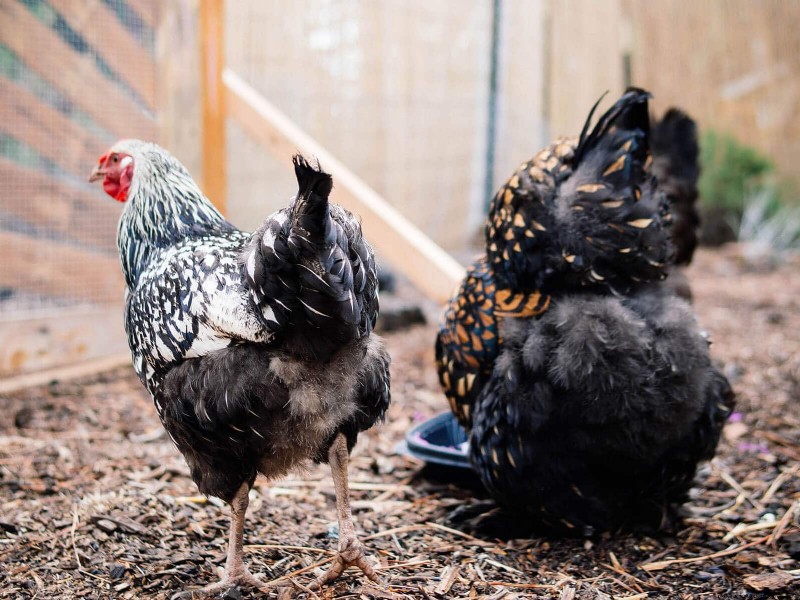
To boost vitamins and minerals, I add brewer’s yeast and kelp granules—both available at well‑stocked pet stores, feed shops, health‑food stores, or online. Animal‑grade supplements are more economical than human‑grade, so choose the former when possible.
If sourcing these supplements is difficult, order Fertrell Poultry Nutri‑Balancer from Azure Standard, Amazon, or a local feed store. Follow the package directions for proper serving sizes. A 10‑lb bag lasts a long time, so consider pooling an order with other keepers if you have a large flock.
Chickens receive grit and oyster shells in separate containers, and I now crush eggshells to replace oyster shells when needed. With six hens, we generate plenty of eggshells—some even go into our tomato beds.
For further insights on how these grains benefit your flock, refer to my original homemade feed recipe and its comments.
Bonne formulation !
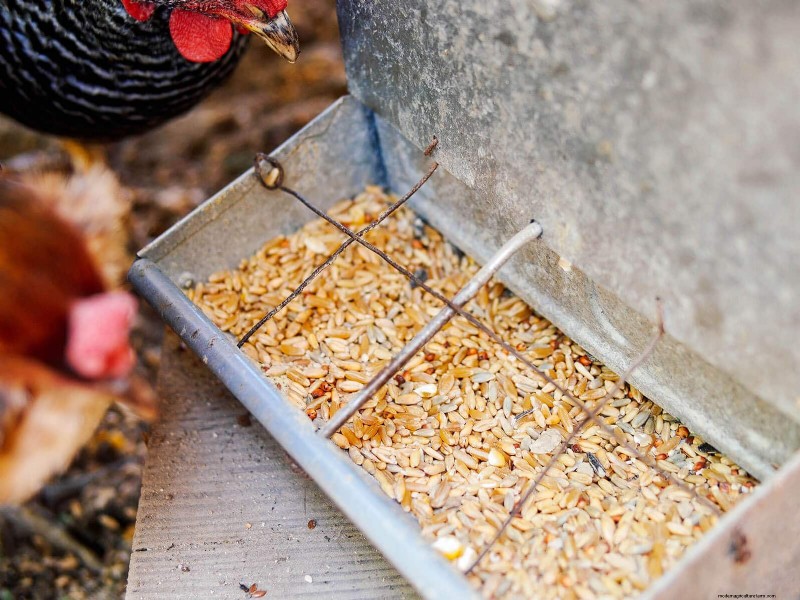
Homemade Soy‑Free, Corn‑Free Chicken Feed With Whole Grains
Yields:8 ½ pounds (fills a 10‑pound feeder)
Ingrédients
- 4 tasses de gruau d'avoine
- 4 tasses de graines de tournesol à l'huile noire
- 4 tasses de baies de blé dur rouge
- 2 tasses de baies de blé tendre blanc
- 2 tasses de baies de triticale
- 2 tasses de baies de seigle
- 2 tasses de millet
- 2 tasses de graines de sésame
- 1 tasse de graines de lin
- ½ tasse de levure de bière
- ¼ tasse de granulés de varech
- Free‑choice oyster shells (or crushed eggshells)
- Grain à choix libre
Instructions
- Combine all ingredients—except oyster shells and grit—in a small bucket.
- Fill your feeder with the mixed‑grain feed, or store it in a pet‑food container or a galvanized‑steel bucket with a lid.
- Provide oyster shells and grit in separate feeders for free choice.
Temps de préparation 5 minutes
Durée totale 5 minutes
This post was updated from an article originally published on April 15, 2013.

Linda Ly
Plant lover, road‑tripper, and cookbook author whose expert advice and bestselling books have been featured in The Wall Street Journal, Time Magazine, HGTV, and Food &Wine. Le livre de recettes de la Route 66 est mon dernier livre. Garden Betty covers modern homesteading, farm‑to‑table cooking, and outdoor adventuring—all part of a life well‑lived outdoors. The secret to a good life is… Read more


